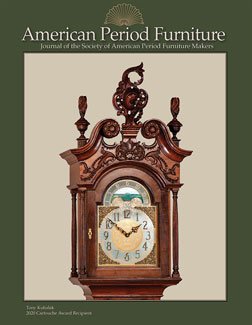
For anyone interested in American furniture — the tools, the people, the history.
You've found yourself here. Stay.
The knowledge in this craft lives in scattered people, and not enough of it gets written down. SAPFM gathers both — at chapter meetings, at the annual conference, on the pages of the journal and the magazine — so the work sharpens with practice and the record of how American furniture is made, and was made, thickens behind us.
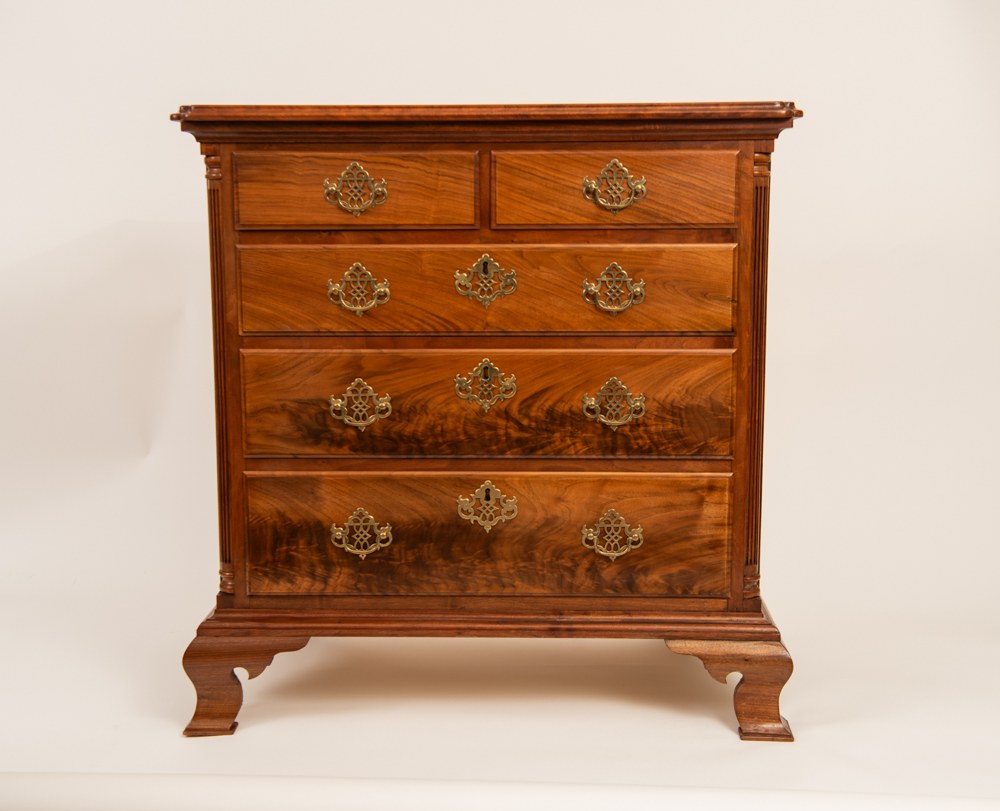
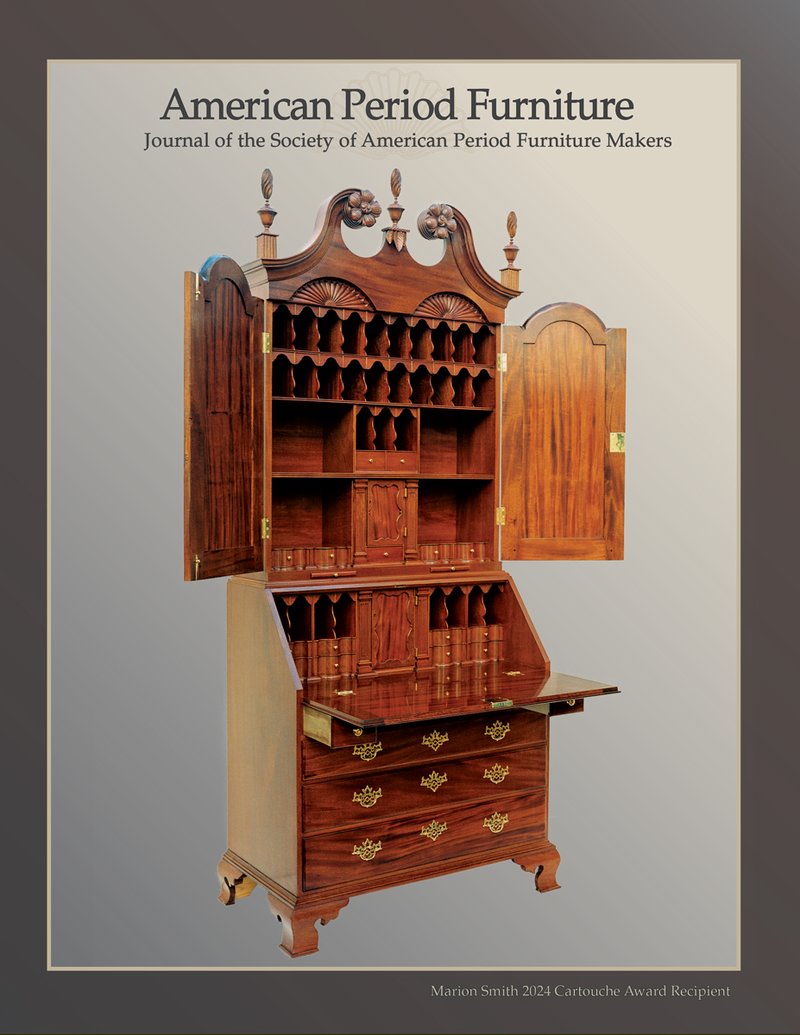
Marion Smith · 2024 Cartouche recipientMahogany chest of drawers, Philadelphia school
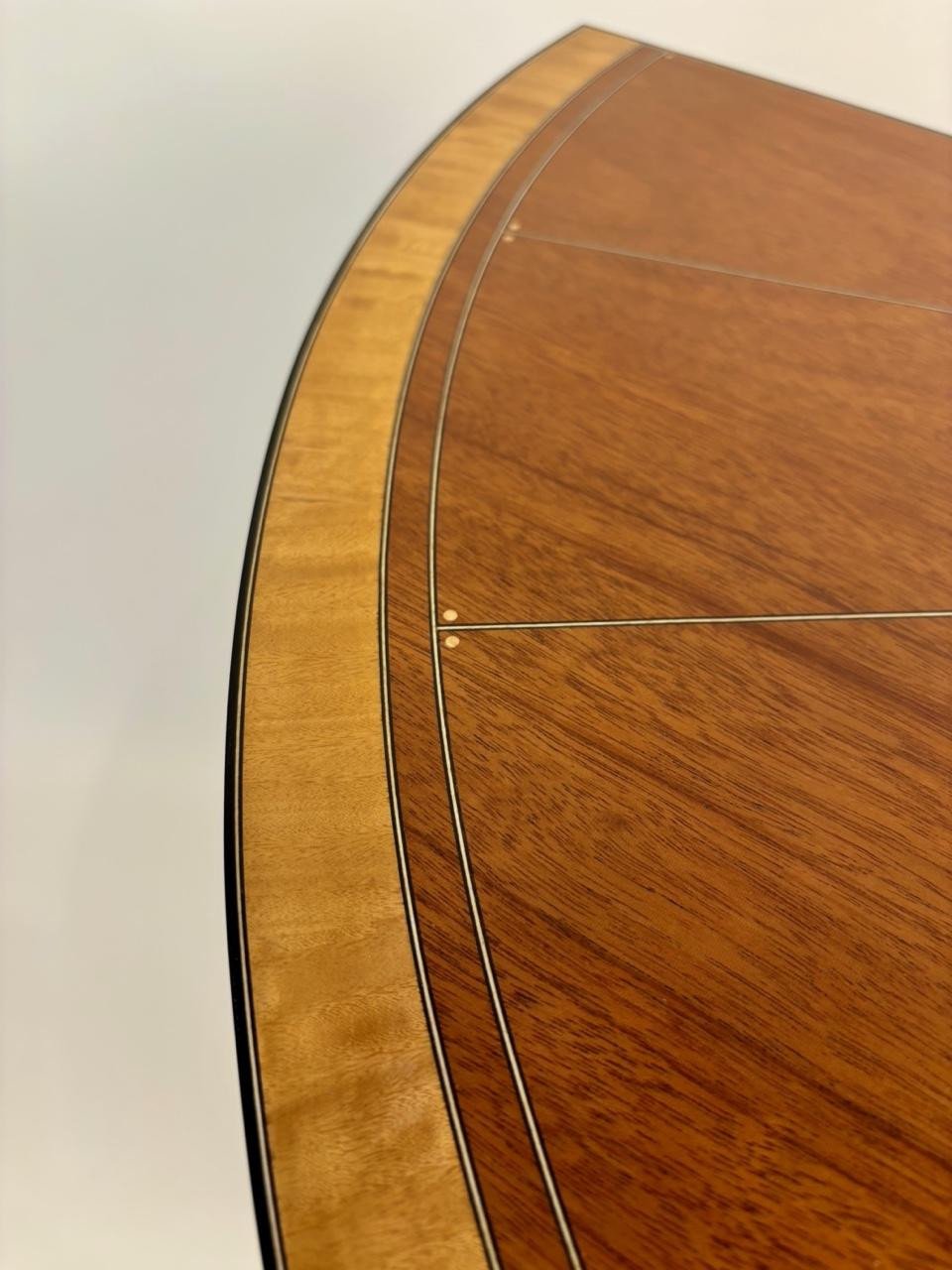
Michelle Hallee WongFederal card table
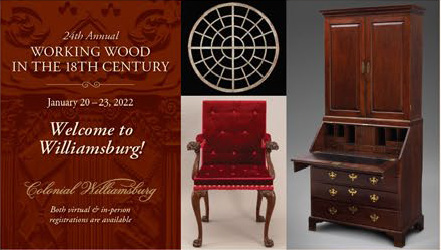
SAPFM members at Working WoodColonial Williamsburg, in the room where the Society was founded
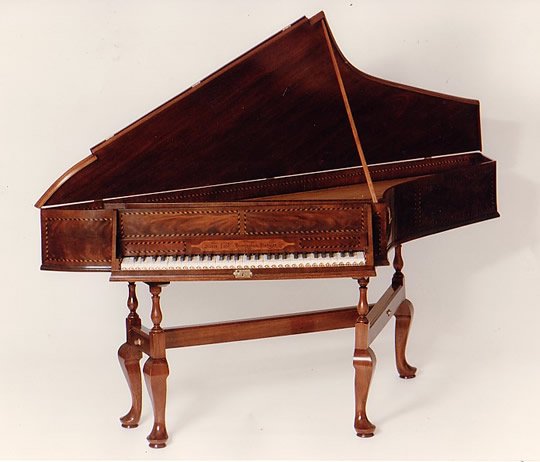
Steven LashBentside spinets, hand-built and tuned
Annual Conference · Williamsburg 2022Bench demonstrations and the Cartouche banquet
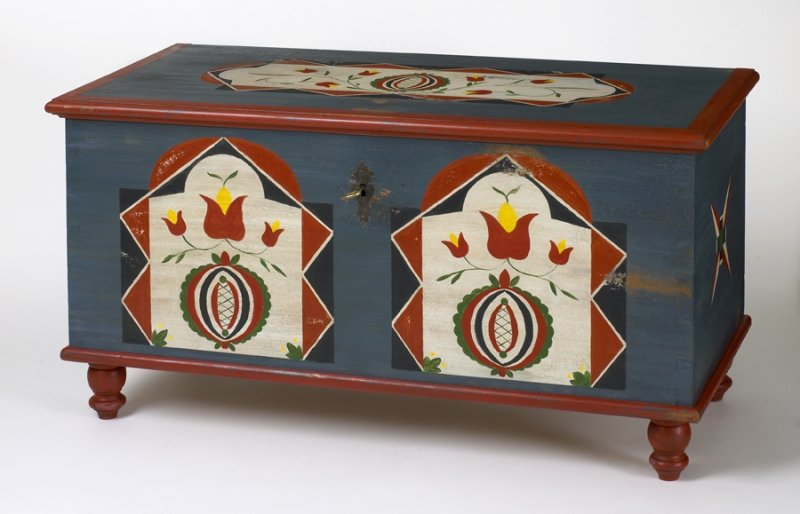
Daniel SchwankPainted chest in the New England tradition
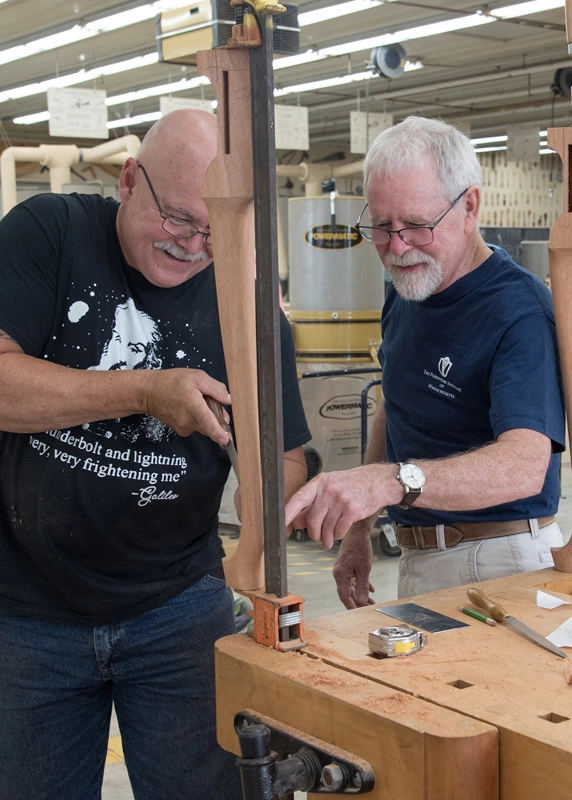
Phil Lowe at North Bennet Street SchoolTeaching the next generation
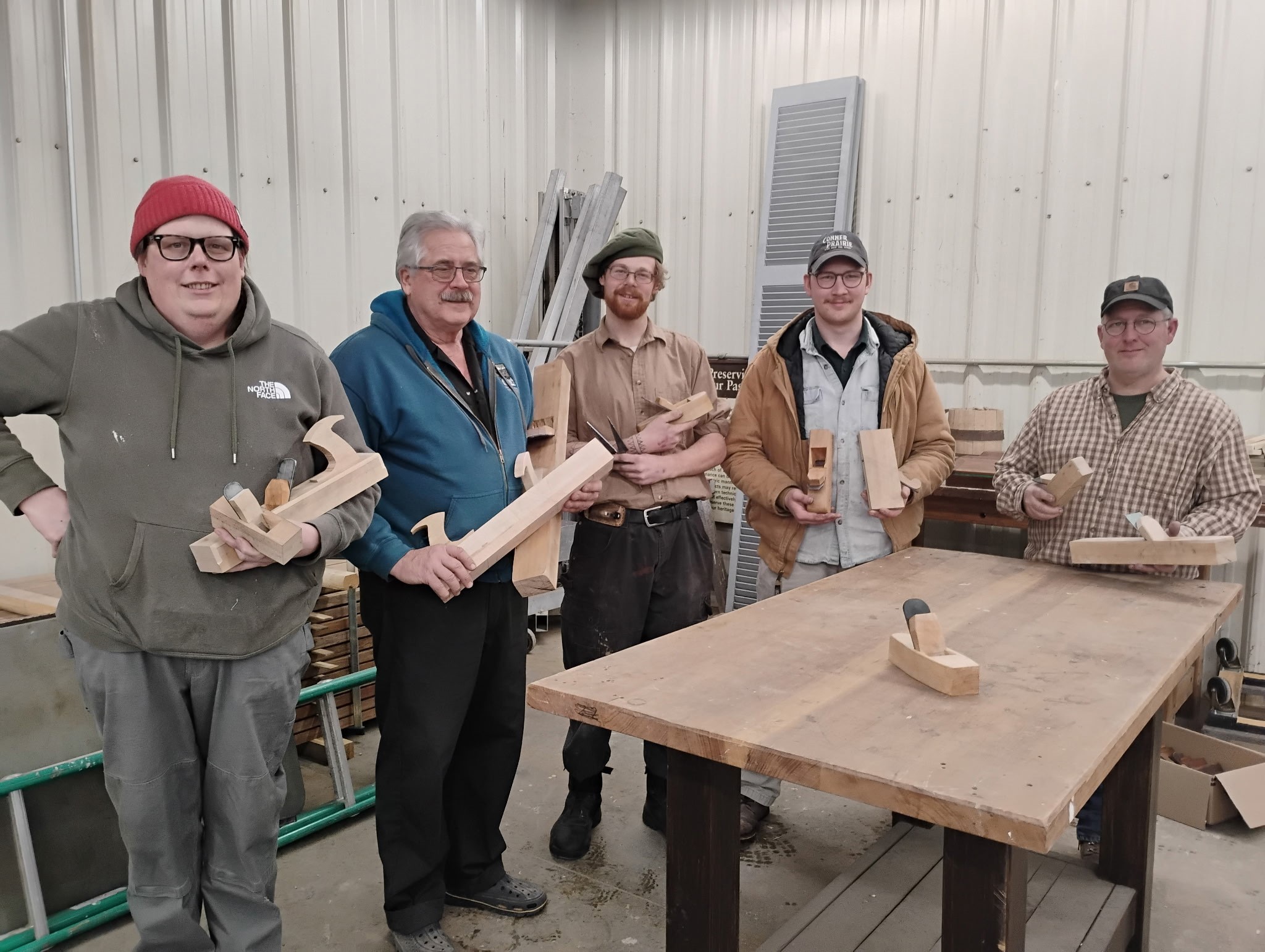
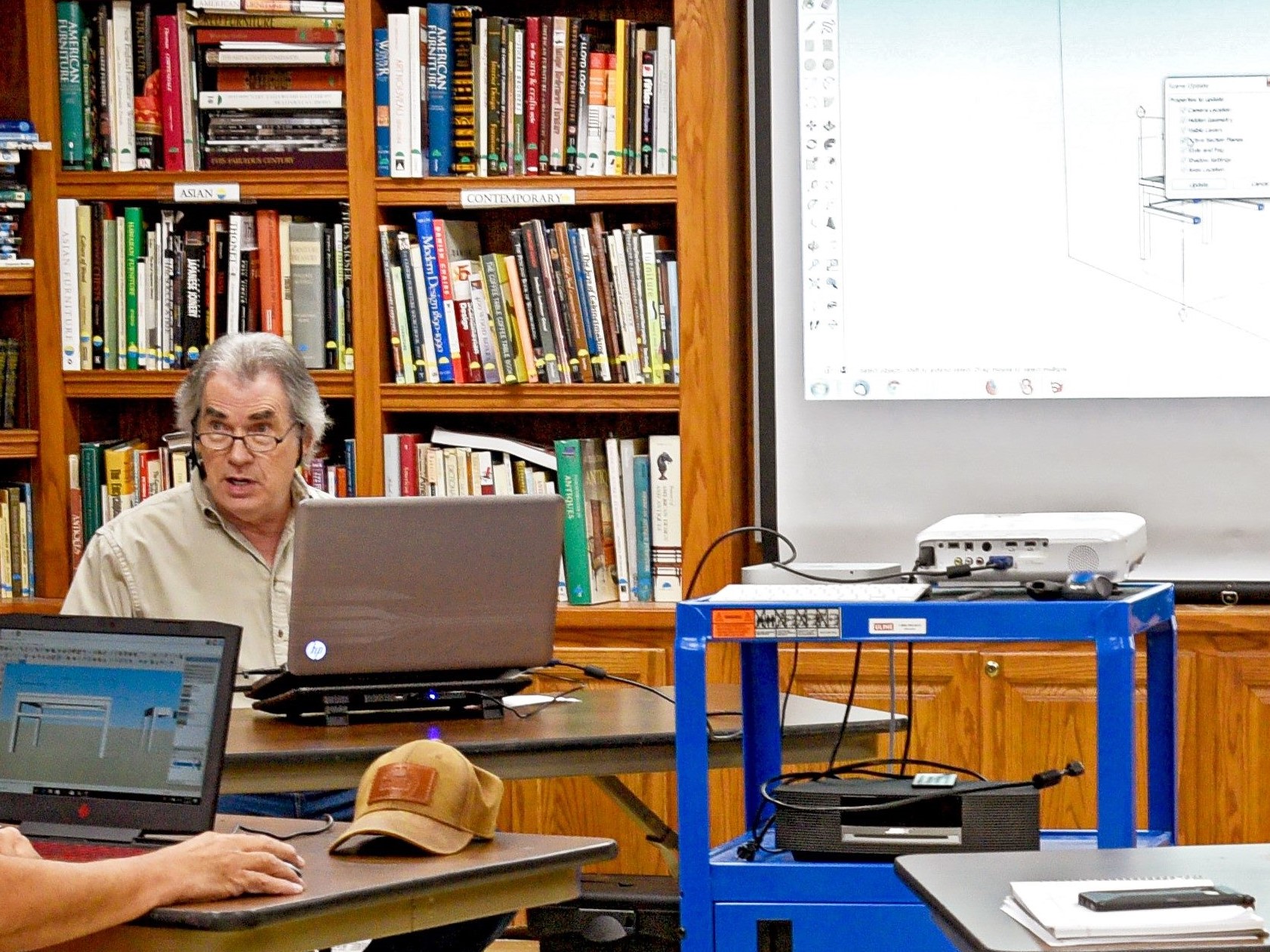
Bob Lang · chapter demonstrationWhere members gather between conferences
Coming up
The next gathering.
Oct 2–5, 2026
Mid-Year Conference · Connecticut Valley School of Woodworking
Four days at Bob Van Dyke's school in Manchester, CT. Bench demonstrations, member presentations, the Cartouche banquet Saturday evening. Bookended by Yale — Wednesday at the Yale Art Gallery's American decorative arts vault with Patricia Kane, Monday in the Furniture Study itself.
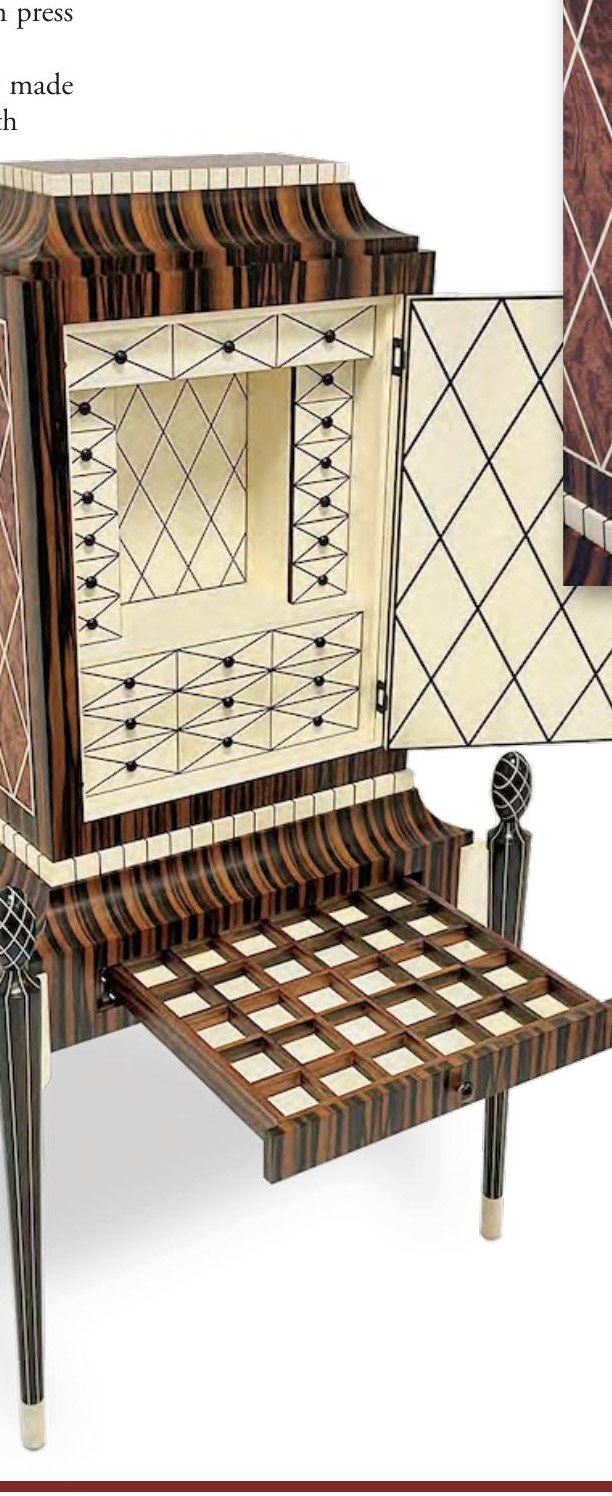
By Dennis Zongker (Nebraska). Macassar Ebony with American Holly inlay — the cabinet that made the editor catch his breath.
Inspired by Émile-Jacques Ruhlmann, the French cabinetmaker who carried Art Deco's most rigorous version into the late 1930s. Zongker's piece pulls the same vocabulary into a working maker's shop — segmented Macassar Ebony, American Holly diamond inlay across the doors, twenty-four interior drawers in soft curly maple.
Four days at the Connecticut Valley School of Woodworking in Manchester. Bench demonstrations with Bob Van Dyke, member presentations, the Cartouche Banquet Saturday evening, and a Sunday-afternoon hand-cut moldings session for those who can stay.
Bookended by Yale. Wednesday afternoon, a curator-led tour of the Yale University Art Gallery's American decorative arts vault with Patricia Kane and the furniture-study staff. Monday, a full day in the Furniture Study itself — boxes pulled by request.
Yale's American furniture collection — 1,395 pieces — is already searchable in SAPFM's museum tool. Browse before you go.
Two makers — Steve Lash and Mickey Callahan — sat at the same table at the Working Wood in the 18th Century conference in Williamsburg, January 1999. By the end of the year, SAPFM was incorporated. Twenty-five years on: twenty-two chapters, two journals, a national conference each summer, and the quiet network underneath it all.